

Key Takeaways
Q1: What does “Why is socso contribution calculated differently for 6 salary bands in Malaysia?” mean, and why does it matter to SMEs?
A1: It means PERKESO uses bracketed wage schedules so payroll stays consistent across salary ranges.
For SMEs, this reduces underpayment risk, overpayment risk, audit exposure, and employee disputes when socso contribution is processed every month.
Q2: How does it work in practice, and what’s the fastest way to get it right for socso contribution?
A2: Match each employee’s monthly insurable earnings to the correct PERKESO contribution band, apply the employer and employee share by category, and validate the total against the socso contribution table before ASSIST submission.
Q3: What should the reader do next to prevent payroll errors across bands, age rules, and wage ceilings?
A3: Build a monthly checklist covering wage components, category selection, ceiling handling, and submission timing. Then reconcile payroll reports against the socso contribution table 2026 and confirm any band movement before payment.
socso contribution is one of the most commonly miscalculated items in Malaysian payroll—not because employers are careless, but because PERKESO uses structured wage brackets, categories, and ceilings that behave differently across salary bands.
For SMEs and startups without a dedicated HR department, a small mismatch in band mapping or employee category can quickly snowball into incorrect deductions, reconciliation headaches, and uncomfortable employee questions at month-end.
In Malaysia, SOCSO and PERKESO contributions are not a flat rate you apply to everyone.
They are determined by insurable earnings, mapped into scheduled contribution tables, and influenced by employee age category, wage components, overtime, allowance treatment, unpaid leave, and backpay.
This is why two employees with close salaries can have different statutory figures. The table is bracket-based, not linear.
From a practical payroll operations perspective, the safest approach is to treat SOCSO and EIS as part of a compliance workflow: clean wage definitions, correct category tagging, controlled payroll cut-off, and accurate submission through ASSIST.
Hire us!
Elevate your business with tailored HR solutions, including compliance, talent acquisition, culture building, and streamlined processes. Unlock success today!

Many SME employers who outsource payroll do so to reduce these recurring compliance risks. As one MUSTRE client shared,
“I’ve been using the HR services provided by Mustre, and it has significantly reduced the burden of managing my staff and HR matters… allowing me to focus fully on running my business without worrying about the HR side.”
Noor Ariffshah
This guide explains why 6 salary bands exist in practice, what triggers band changes, how to read the updated tables, and how SMEs can reduce errors when managing socso contribution every month.
What does “salary band” mean in socso contribution calculations in Malaysia?
A salary band is the wage bracket PERKESO uses to map an employee’s insurable earnings into a fixed row of the contribution schedule. This helps payroll apply the correct statutory amount consistently instead of estimating a manual percentage.
How does the socso contribution table map wages into fixed brackets?
The socso contribution table lists wage ranges with predetermined employer and employee shares. When an employee’s monthly wage falls into a specific range, payroll uses that row to determine the amount payable.
What is the role of the Employees’ Social Security Act 1969 Act 4 contribution schedule?
The Act 4 schedule is the authoritative reference for contribution amounts under SOCSO coverage. Payroll teams rely on it to validate system outputs, manual calculations, and audit evidence.
How do employer and employee portions appear as “shares” in the schedule?
The schedule separates contributions into employer and employee portions. Payroll must deduct the employee share correctly and ensure the employer remits the total contribution through the official submission channel.
Why is socso contribution calculated differently across 6 salary bands instead of one flat rate?
socso contribution varies across salary bands because PERKESO applies bracketed schedules and ceilings that standardise compliance, reduce disputes, and ensure benefit eligibility reflects regulated insurable earnings rather than informal pay definitions.
Why do bracketed tables reduce disputes and standardise payroll compliance for SMEs?
Bracketed schedules create predictable outcomes for common wage ranges.
This helps SMEs avoid rate guessing, inconsistent deductions, and employee mistrust when payslips change after minor increments or allowance adjustments.
Which payroll inputs most often push employees into the next band for socso contribution?
Salary bands usually shift when payroll changes the employee’s insurable earnings.
The most common triggers are fixed allowances, recurring overtime, unpaid leave adjustments, or backdated increments that alter the wage figure used in the schedule.
Practical example:
Employee A: basic salary plus fixed allowance totals RM2,950 and stays in one band.
Employee B: basic salary plus fixed allowance totals RM3,050 and moves to the next band. Even though the difference looks small, bracket mapping makes the statutory amount change because the calculation is schedule-based, not linear.
How does the RM6,000 wage ceiling change socso contribution for higher-paid employees?
Since 1 October 2024, PERKESO enforces a wage ceiling of RM6,000 for monthly contributions, meaning salaries above that threshold are capped to the ceiling for contribution calculation purposes.
What happens when monthly wages exceed RM5,000 and cross the ceiling logic?
Once wages exceed RM5,000, employers must use the updated schedules, and once wages exceed RM6,000, contribution amounts remain based on the RM6,000 ceiling even if actual pay is higher.
Which wage band becomes the “cap” once wages are above RM6,000?
The payable SOCSO amount follows the schedule row aligned to the RM6,000 ceiling. Payroll should stop scaling contributions upward after the cap and focus on correct category selection, wage-component inclusion, and monthly reconciliation.
Which socso contribution rate applies for employees below 60 vs age above 60?

The socso contribution rate depends on category selection because employees below 60 usually fall under First Category, while older employees may move into employer-only coverage for specific schemes.
What is First Category and why it uses combined employer-employee contributions?
First Category generally applies to employees below 60 and requires both employer and employee contributions, which payroll must deduct accurately to avoid arrears, refund cycles, and employee dissatisfaction.
Which schemes sit under First Category and how payroll should tag employees?
Payroll should tag eligible employees under the correct SOCSO scheme coverage and ensure the statutory deductions align with the schedule, especially when employees have mixed pay components and variable monthly earnings.
What is Second Category and why it is employer-only for older employees?
Second Category covers employees who have reached age 60 for the Employment Injury Scheme only, and the contribution is payable by the employer based on the schedule, without employee deduction.
How does “age above 60” change eligibility and contribution responsibility?
When an employee turns 60, payroll must stop deducting the employee share for SOCSO and apply the correct category logic, because continuing deductions creates reconciliation issues and potential employee relations disputes.
SOCSO contribution for age above 60 pdf — where can employers confirm the official rule?
Employers should confirm “age above 60” rules using PERKESO official pages and Act 4 schedule PDFs, which are the strongest audit references when payroll deductions are challenged internally or during compliance reviews.
Which official PERKESO PDF tables and circulars should HR keep for audit defence?
Keep the Act 4 contribution schedule PDF and the official circular on wage ceiling updates, because these documents support category decisions, ceiling application, and the exact schedule logic used for payroll validation.
What internal documents should HR maintain to support category selection?
HR should retain employee DOB verification, employment contract terms, payroll change logs, and monthly statutory submission reports, so category changes (like turning 60) can be evidenced without relying on memory or informal spreadsheets.
How do you calculate socso contribution correctly when wages include OT, allowances, and partial-month pay?
Accurate SOCSO calculation depends on using the correct “wages subject to SOCSO,” then mapping that figure to the right schedule band, because OT patterns, allowances, and unpaid leave can shift bands unexpectedly.
Which wage components typically affect salary-band mapping in payroll?
Fixed allowances, recurring OT, and partial-month salary (joiners/leavers) most often change the insurable earnings figure, which can move staff into a different bracket and alter the statutory totals.
How should payroll treat backpay, bonus timing, and mid-month salary changes?
Backpay and mid-month increments should be handled with clear payroll cut-off rules and documented adjustments, because lumping changes into the wrong month often causes band mismatches and correction submissions later.
Which validation checks prevent wrong band selection before submission?
Use a pre-submission checklist: confirm age category, confirm ceiling application for high earners, confirm wage components included, and reconcile SOCSO Table totals against payroll reports before uploading or keying in the contribution file.
EIS contribution — how is it connected to socso contribution in monthly payroll processing?
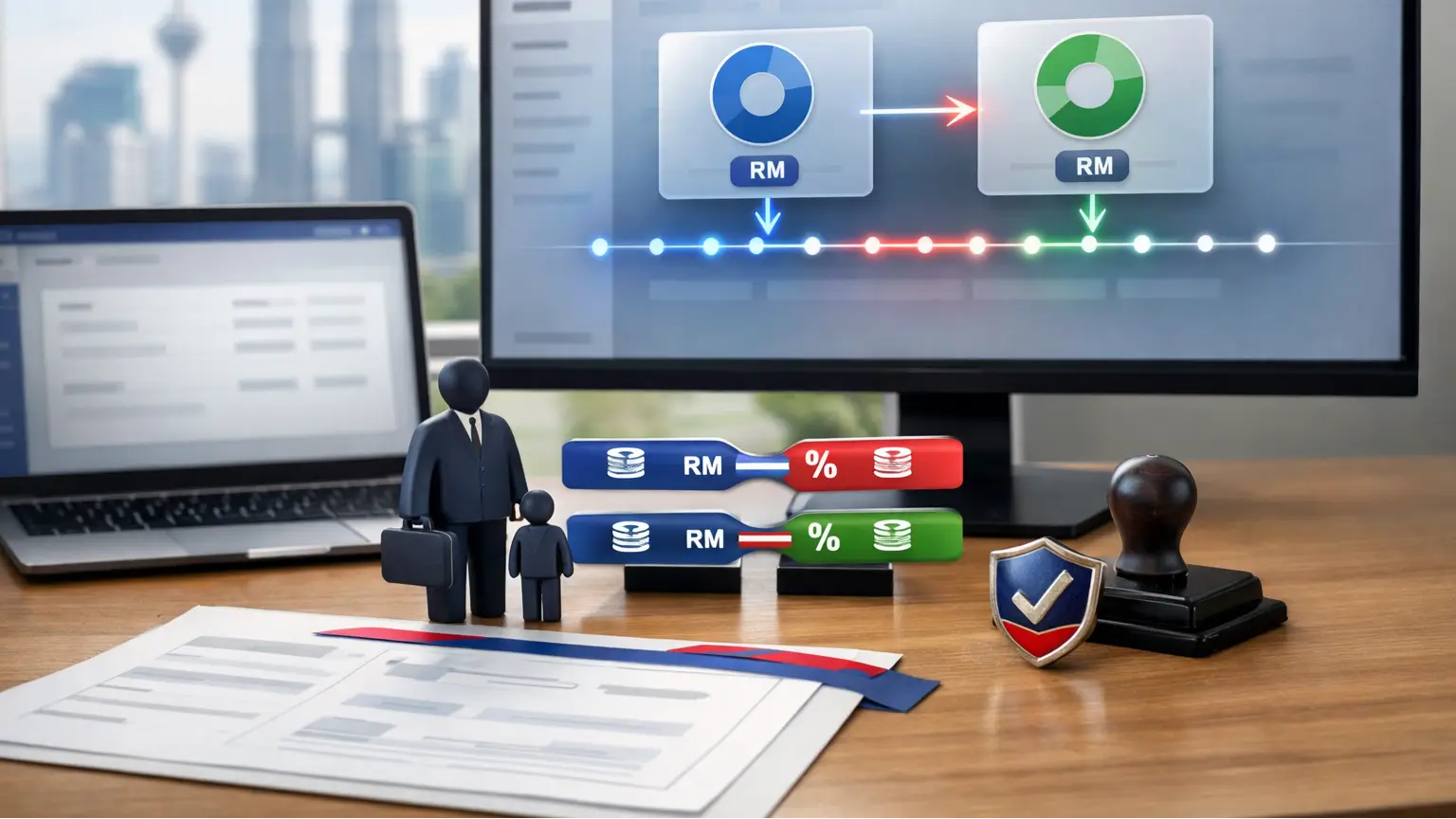
EIS is commonly processed alongside SOCSO in monthly payroll because employers submit statutory contributions together operationally, but coverage rules differ by age and eligibility, so payroll must separate “what to deduct” carefully.
What is EIS and why many employers submit it together with SOCSO via ASSIST?
Employers often bundle SOCSO and EIS processing because the operational workflow aligns submission timing and reporting, reducing admin overhead, while still requiring correct eligibility logic for each statutory item.
Which employees are typically covered under EIS contribution rules?
EIS generally applies to eligible Malaysian citizens and permanent residents within the covered age range, while exemptions can apply for age and contribution-history conditions, so payroll must validate staff status before deductions.
EIS contribution for age above 60 — is it required, and when does it stop?
EIS contribution is generally not applicable for employees aged 60 and above, so payroll should stop deducting it once the employee crosses the age threshold and confirm exemptions to avoid over-deduction disputes.
Which age triggers payroll rule changes and what should HR do when staff turn 60?
Turning 60 is a key payroll trigger because SOCSO shifts to Second Category and EIS typically becomes exempt, so HR should update statutory settings immediately and communicate the change on payslips clearly.
How should SMEs prevent accidental deductions after the threshold?
SMEs should implement an “age milestone” alert in payroll, re-check employee master data monthly, and require a second-person review for statutory items whenever an employee approaches age 60.
Where do employers submit and pay socso contribution using the ASSIST portal?
Employers operationally complete SOCSO obligations by submitting contribution data through PERKESO’s employer channels and payroll services routines that enforce validation and submission discipline, so payroll accuracy must align with submission format and timing.
How does “SOCSO + EIS Combine Contribution” work operationally for employers?
Most employers run payroll first, validate statutory totals, then submit contribution data in the required portal workflow, which is why Payroll Management governance and documentation matter as much as the calculation itself.
Which submission methods are used: data entry vs text file upload?
Employers typically submit by keyed entry for smaller headcounts or file upload for scale, and the risk difference is simple: manual entry risks typos, while uploads risk wrong templates and mis-mapped wage fields.
What common submission errors cause rejection or mismatched totals?
Common operational errors include wrong category tagging, mismatched employee IDs, incorrect wage fields, and failure to apply the RM6,000 ceiling, which later forces correction cycles and unnecessary internal payroll rework.
When must socso contribution be paid, and what happens if payment is late?
Late payment creates compliance risk because statutory remittance is time-bound, and delays can trigger penalties or additional charges that SMEs often only discover after reconciliation or notices.
What is the statutory payment deadline and how late-payment interest is triggered?
A disciplined payroll calendar—cut-off, validation, submission, and payment—reduces late remittance risk, because statutory contributions are expected within the regulated monthly cycle and delays can escalate quickly.
Which internal payroll calendar controls help SMEs avoid recurring penalties?
Use fixed cut-off dates, lock master-data changes after cut-off, run a statutory variance report monthly, and assign accountability for submission and payment confirmations rather than assuming “the system will handle it.”
How can SMEs reduce socso contribution errors with structured payroll controls or outsourcing?
SMEs reduce SOCSO errors by standardising wage definitions, enforcing category rules, and reconciling monthly statutory reports, and outsourcing can help when internal teams lack bandwidth to sustain compliance consistently.
Which recurring SME mistakes cause wrong salary bands, wrong category, or wrong submissions?
The most common failures are outdated employee master data, unclear treatment of allowances and OT, missing wage ceiling logic, and last-minute payroll edits that bypass validation, leading to correction submissions and credibility loss.
How can an outsourced payroll workflow standardise compliance, documentation, and monthly reporting?
A structured provider can run governed payroll cycles covering salary computation, statutory deductions (SOCSO, EIS, EPF, PCB), reconciliation reports, and submission support—freeing SMEs to focus on operations while keeping compliance auditable.
SOCSO calculations look “uneven” across salary ranges because the system is schedule-based, not linear, and it changes with salary bands, employee categories (below 60 vs above 60), and the RM6,000 wage ceiling.
For SMEs, the biggest risks come from band mis-mapping, incorrect age-category handling, and inconsistent treatment of allowances, OT, and partial-month wages. The safest approach is a controlled payroll workflow: validate wages, apply the correct schedule row, reconcile totals, then submit and pay on time.
If your team is spending hours double-checking statutory deductions—or fixing mistakes after employees complain—consider standardising your monthly process with experienced payroll support.
MUSTRE can help you build a clean, auditable workflow that covers SOCSO, EIS, EPF, PCB, reporting, and submission discipline. Explore MUSTRE’s payroll services to reduce errors, improve compliance confidence, and free your team to focus on growth instead of rework.
FAQ
Where can I find the official socso contribution table?
You can refer to PERKESO’s official contribution schedule and employer guidance. For payroll work, use the latest socso contribution table and keep a copy for audit reference.
Where can I find the SOCSO contribution rates table?
Employers can find the SOCSO contribution rates table through official PERKESO references. Use it to confirm employer and employee shares before finalising payroll.
How can employers calculate SOCSO contributions for their staff?
Employers should identify wages subject to SOCSO, confirm employee category, apply the correct schedule row, and reconcile the total before submission. A socso calculator can help estimate the amount, but the official table should remain the final reference.
What happens if an employer fails to pay social security contributions on time?
Late payment can create compliance exposure, penalties, or additional charges. Employers should maintain a monthly payroll calendar with cut-off, validation, submission, and payment confirmation.
What are the latest changes to social security contribution regulations?
Employers should review current PERKESO circulars and the socso contribution table 2026 to confirm updated wage ceilings, table rows, and category treatment before processing payroll.